Guide
Sailing in Costa Rica
Where to go, when to sail and what to expect
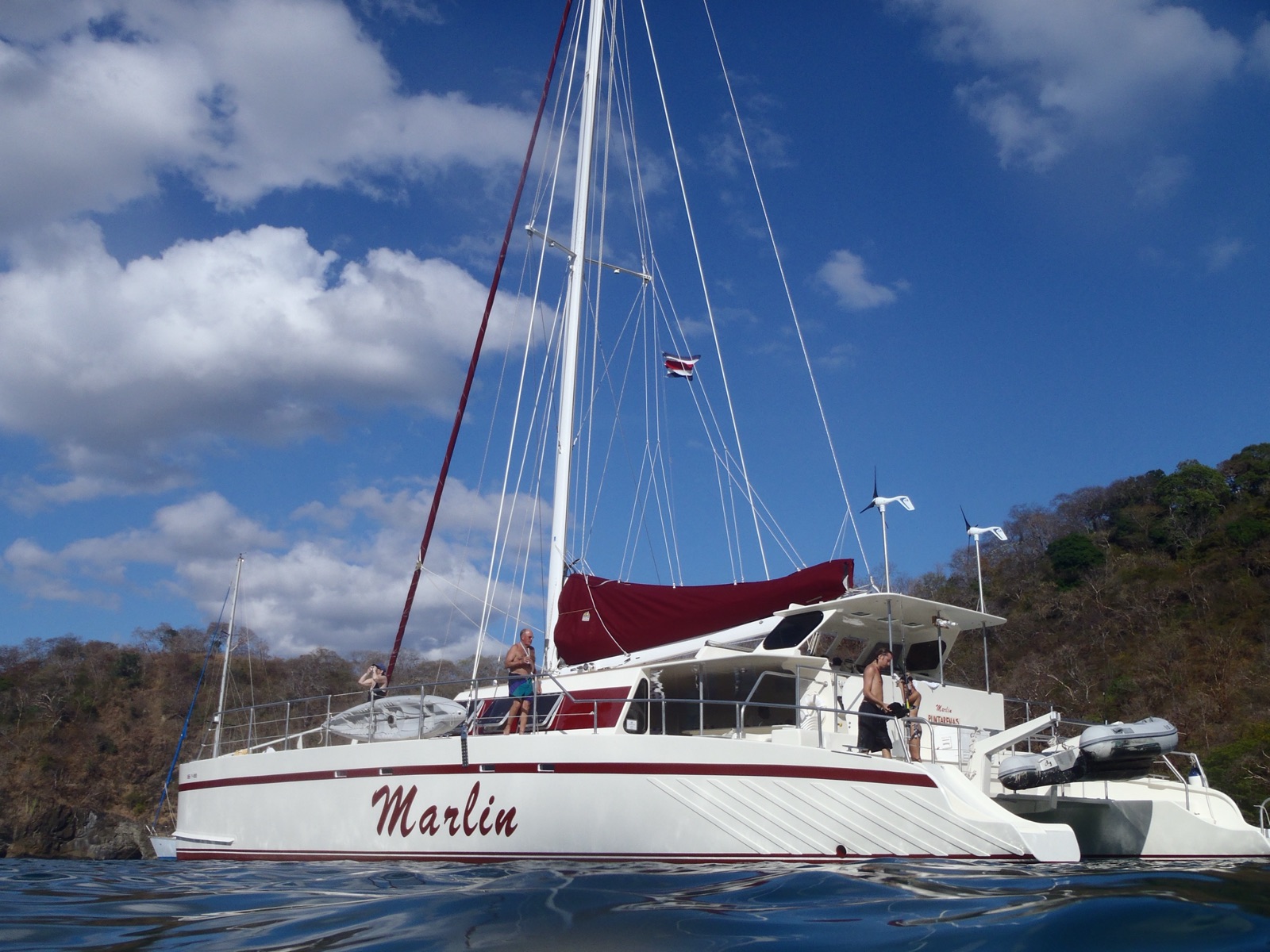
Costa Rica's sailing happens almost entirely on the Pacific coast, from the Gulf of Papagayo and Flamingo in Guanacaste down to the Gulf of Nicoya, Los Sueños, Quepos and Golfo Dulce. The dry season (December to April) brings sunshine and, in the north, strong Papagayo winds, while the green season brings calmer mornings and afternoon showers.
Why sail here
Costa Rica has more than 1,000 km of Pacific coastline full of bays, islands and stretches of shore with no road access. From the water you get a different country: forest coming straight down to the beach, pelicans and frigatebirds overhead, and a good chance of dolphins, sea turtles and, in season, humpback whales. Most visitors sail on a half-day or sunset trip, usually on a catamaran, with a swim and snorkel stop. Others book a private yacht for a day or a week, and a smaller number arrive on their own boats while cruising between Mexico and Panama.
The Caribbean coast is a different story. It's mostly open shoreline with few sheltered anchorages and limited facilities, so organized sailing there is rare. Almost everything on this page is about the Pacific.
Where people sail
Gulf of Papagayo and the north Guanacaste coast
The far northwest, around Bahía Culebra, Playas del Coco, Playa Hermosa and the Papagayo Peninsula, is the busiest area for day sails. Bahía Culebra is deep and sheltered, and there are rocky points and small beaches for snorkeling. North of here, Bahía Santa Elena and the coast of Santa Rosa National Park are wilder and more remote. Liberia's airport is close, which makes this the easiest region to fit a sail into a short trip. See Guanacaste.
Flamingo, Potrero and Tamarindo
Playa Flamingo has long been a base for catamaran sails, and boats head out to the Catalinas Islands for snorkeling and to beaches along the coast. Tamarindo also has sailing catamarans that leave from the beach (often with a wet landing, so wear shoes you can get wet). Sunset sails are the classic trip here.
Gulf of Nicoya and the southern Nicoya Peninsula
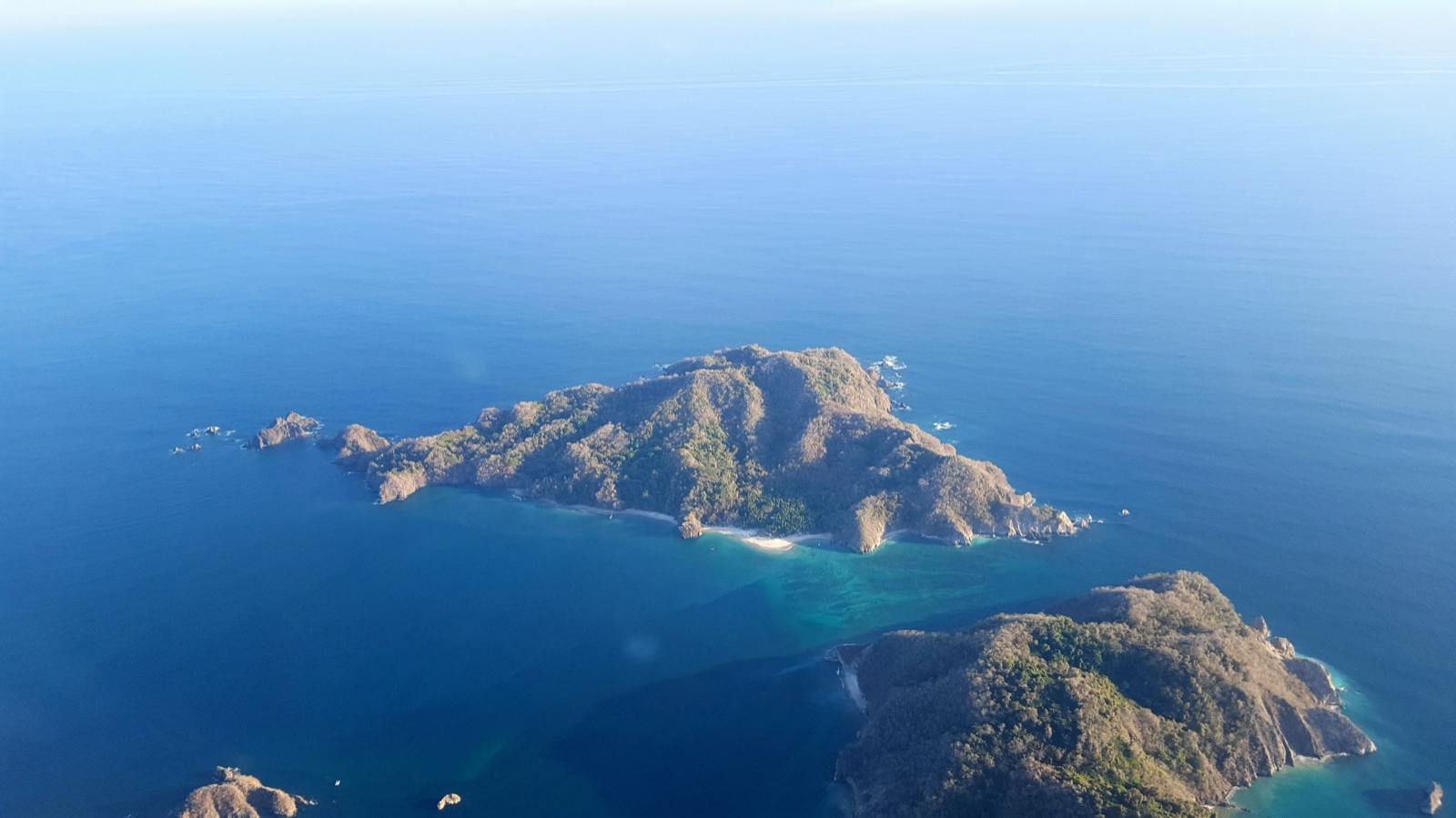
The Gulf of Nicoya is a large, sheltered estuary between the mainland and the Nicoya Peninsula, dotted with islands. Tortuga Island is the best-known day trip, often from Puntarenas, Herradura or the Paquera and Tambor side. The water is calmer than the open coast, which suits families, though it's often less clear for snorkeling. Curú Wildlife Refuge and the beaches near Tambor and Montezuma are good stops. See Southern Nicoya.
Herradura and Los Sueños
Bahía Herradura, near Jacó, has one of the country's largest full-service marinas at Los Sueños, used heavily by sportfishing boats and private yachts. It's about 1.5 to 2 hours by road from San José, so it's the closest proper marina to the capital. Day sails here often head along the coast toward Jacó or out toward the gulf islands. See Central Pacific.
Quepos and Manuel Antonio
Quepos has a large marina and is the jumping-off point for sails along Manuel Antonio National Park. Afternoon trips with snorkeling and sunset are popular, and you'll often see dolphins in the area. Anchoring off Manuel Antonio is only comfortable when the swell is small.
Uvita, Drake Bay and Golfo Dulce
Further south, Ballena Marine National Park off Uvita is known for humpback whales, which visit roughly July to November (whales from the Southern Hemisphere) and December to March or April (from the North Pacific). Drake Bay is the sea gateway to Corcovado National Park. Golfo Dulce, between the Osa Peninsula and the mainland, is a deep, sheltered gulf with dolphins and very little boat traffic, and Golfito is the main harbor and a common stop for cruisers heading to or from Panama. See Southern Pacific.
When to go: seasons and winds
Costa Rica's Pacific coast has 2 seasons:
- Dry season (December to April): sunny, hot and busy. In the north, this is when the Papagayo winds blow. Cold air from North America spills through low gaps in the mountains near Lake Nicaragua and accelerates out over the Pacific, giving strong northeast to east winds, often for several days at a time. They're strongest from about November to March and fade from April. Good for experienced sailors and kiteboarders, but they can make the open coast rough and cancel some small-boat trips. Bays like Culebra stay usable more often.
- Green or rainy season (May to November): mornings are usually clear and calm, with showers or storms building in the afternoon. Winds are lighter, so you'll motor more. September and October tend to be the wettest months, especially in the south. Seas inside the Gulf of Nicoya and Golfo Dulce are usually gentle. July and August often bring a drier spell.
Light, shifty winds are the norm for much of the year away from the Papagayo area, which is why tour boats run engines for part of most trips. Afternoon sea breezes are often the best sailing of the day.
Types of trips
- Half-day catamaran sails: 3 to 5 hours, usually with a snorkel stop, drinks and a light meal. The most common way visitors sail here. Browse sailing tours.
- Sunset sails: shorter late-afternoon trips timed for the sun going down over the Pacific.
- Private charters: a boat and crew for your group, for a day or longer, with the route shaped around you. See yacht charters.
- Multi-day and cruise options: liveaboard yachts and small expedition ships along the coast or out to Cocos Island. See cruises.
- Arriving on your own boat: see the section below and our marinas guide.
If you're new to boats, An introduction to sailboats explains the difference between catamarans and monohulls and the words you'll hear on deck.
Wildlife from the boat
On almost any Pacific trip you may see bottlenose or spotted dolphins, sea turtles, rays and seabirds. Humpback whale watching is best in the south around Uvita, Drake Bay and Golfo Dulce, but whales also pass along Guanacaste and the Central Pacific. Good crews keep their distance from whales and dolphins, slow down near them and never chase them. Costa Rica has rules on how boats approach marine mammals, so don't push a captain to get closer.
Arriving by yacht
Cruisers must clear in with immigration, customs and the port captain at an official port of entry before cruising the coast. Playas del Coco, Puntarenas, Los Sueños, Quepos and Golfito have all been used for this, and the list and procedures change, so check current information on Noonsite and with the marina you plan to use. Expect to need several copies of your boat papers, passports, crew list and clearance (zarpe) from your last port, and to get a domestic cruising permit to move between ports. Some marinas require you to use an agent.
Facilities are limited compared with Mexico or Panama. Full-service marinas exist in the Papagayo area, Herradura, Quepos and Golfito, and parts and chandlery are hard to find, so arrive well stocked.
Safety and comfort
- Wear reef-safe sunscreen, a hat and sunglasses; the tropical sun is strong even on cloudy days.
- Ask about life jackets for children and non-swimmers, and check the boat carries enough for everyone.
- If you get seasick, take medication before you board, not after you feel sick.
- Wet landings from the beach are common: bring a dry bag for your phone.
- Rip currents are a real risk at many Pacific beaches. Swim where the crew says.
- Respect national park and marine area rules, and don't touch coral or turtles while snorkeling. See An introduction to snorkeling.
Frequently asked questions
What's the best month to go sailing in Costa Rica?
For sunshine, December to April. For calmer seas in the north, fewer crowds and green scenery, try May to August, aiming for mornings.
Are the Papagayo winds dangerous?
They can be strong, often well over 20 knots, with gusts higher, and they build short, steep seas off northern Guanacaste. Tour operators plan around them, and sheltered bays stay calmer.
Can I see whales on a sailing trip?
Yes, especially in the south between roughly July and November and again from December to March. Sightings aren't guaranteed on any trip.
Is there sailing on the Caribbean side?
Very little. The Caribbean coast has few sheltered harbors, so nearly all sailing tours and charters are on the Pacific.
Do I need to book in advance?
In the dry season and around Christmas, Easter and other holidays, yes. In the green season you can often book a day or 2 ahead.